

Date: Wednesday, November 4th, 2026
Time: 12 to 1:30 p.m. ET
Language of delivery: English
Location: **Hybrid Event** | Attend in-person at Carleton University or online via Zoom. (All speakers will be presenting in person. In-person space is limited; location and details will be provided upon registration)
Accessibility: ASL interpretation and bilingual captioning will be provided. Additional accommodations available as requested.
About
This forum will explore comparative insights into Indigenous disability studies in Australia, New Zealand, and Canada. Drawing on Australia’s more established Indigenous disability studies programs and research, the discussion will consider how Canadian scholars and communities can learn from international practices while adapting them to local contexts. Canadian perspectives will be brought into dialogue with Australian experiences to identify similarities, differences, and opportunities for future learning, collaboration, and the development of Indigenous disability studies in Canada.
The forum is meant for a broad audience including (but not limited to) people interested in or having lived experience in Indigeneity, disability, human rights, post-secondary education, Indigenous and Disability studies. All are welcome to attend.
Speakers
Moderator
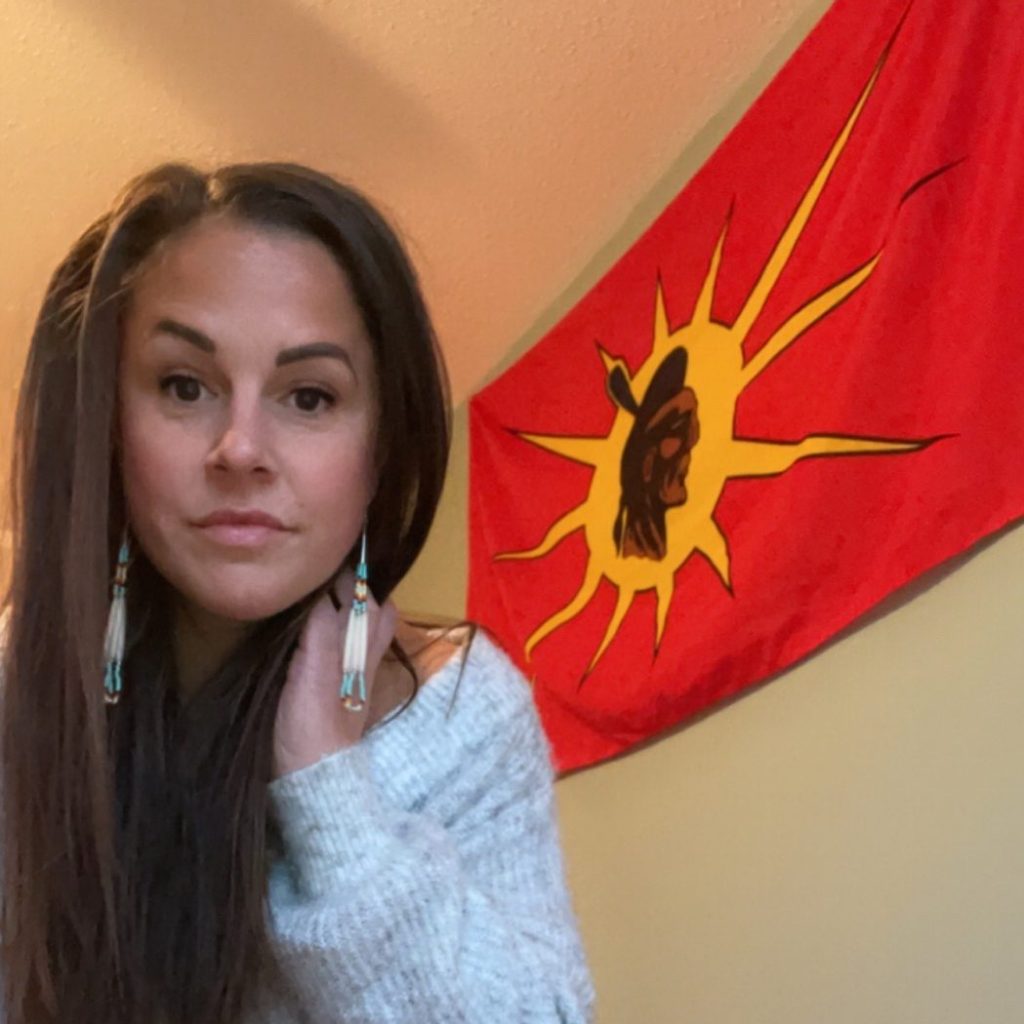
Veronic Mageau
Véronic Mageau-Gachignac, Kanien’kehà:ká from the Mohawk Nation of Kanehsatà:ké, is an Indigenous leader, educator and human resources professional specializing in Indigenous cross-cultural management, leadership and reconciliation.
With academic backgrounds in International Management and Finance, Public Administration and Political Science, Véronic brings together Indigenous Ways of Knowing, academic knowledge and federal public-sector experience to promote culturally responsive leadership, meaningful engagement and stronger relationships.
As co-founder of the Indigenous Federal Employee Network (IFEN) and lead of the Indigenous Student Employment Opportunity (ISEO), she supports Indigenous students, employees and emerging leaders. Her work is grounded in cultural humility, reciprocity, trust, relationship-building and Reconcili-ACTION, with a focus on advancing reconciliation, inclusion and more respectful and effective organizations.
Panelists
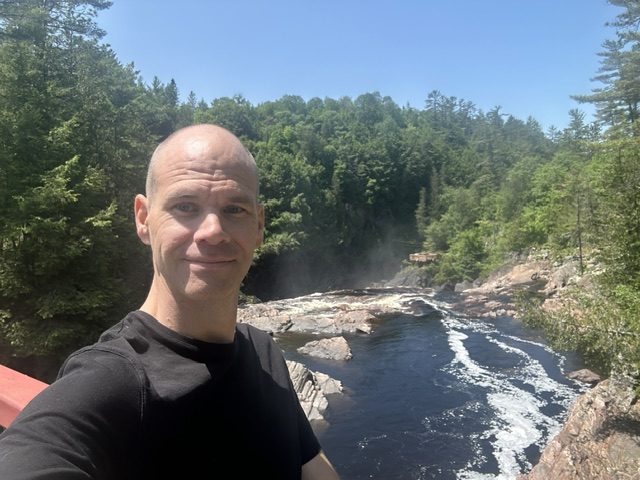
John T. Ward
John T. Ward is of Algonquin and French-Canadian a professor at the University of Sydney, where he co-leads Indigenous Disability Studies. His work focuses on Indigenous disability knowledge systems and research methodologies, informed by his lived experience with dyslexia, ADHD, and light sensitivity. John has dedicated his career to advancing accessibility and inclusion, particularly in relation to learning disabilities and neurodiversity. He also completed the Sharing Circle and Leadership Program at Four Directions University for Indigenous Inclusion, where he deepened his commitment to wholistic knowledge systems and culturally grounded approaches to leadership, wellness, trauma, and healing. A recognized advocate and thought leader, John has led inclusion circles that support individuals and communities who have experienced labelling, stigma, marginalization, and oppression. He has also published Indigenous Disability Studies, a 2025 top-ranked publication in disability and accessibility studies and the #1 bestseller in Disability Law on Amazon.
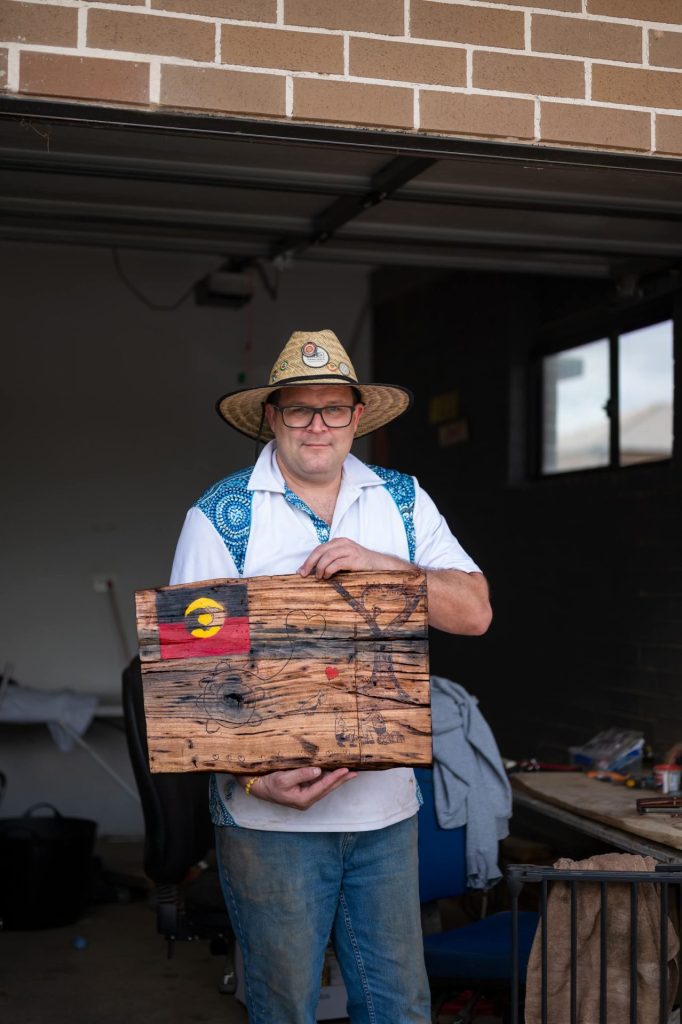
John Gilroy
John Gilroy is a Yuin man from the Australia and is an associate professor of sociology in Indigenous health, specializing primarily in disability studies at the University of Sydney. He has worked in disability, aging research, and led many research projects in urban and rural/remote and done community development with Aboriginal and Torres Strait Islander communities, as well as government and non-government stakeholders for most of his life. John is passionate about Aboriginal owned and driven research to influence policy.
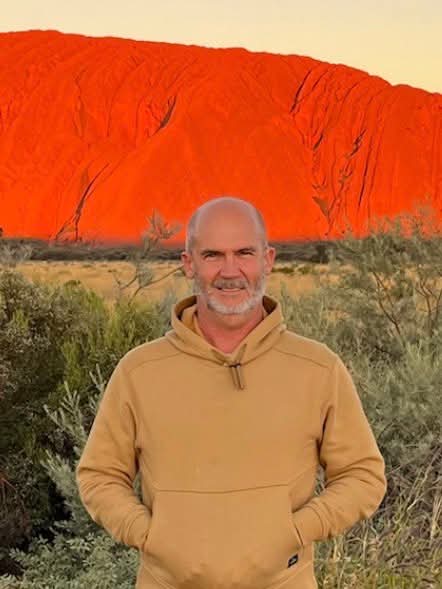
Rodney Adams
Rodney Adams is a Deaf Ngiyampaa man from Australia, living on Darkinjung country on the Central Coast. He is an Auslan and Deaf Studies at the University of Sydney, his interest is the revitalization of Indigenous Sign Languages. He believes this could have a positive impact on the deaf and hard of hearing Aboriginal and Torres Strait Islander people in much the same way as Indigenous Spoken Languages.