

Date: Tuesday, September 22nd, 2026
Time: 12 to 1:30 p.m. ET
Language of delivery: English
Platform: Zoom
Accessibility: ASL interpretation and bilingual captioning will be provided. Additional accommodations available as requested.
About
What does it mean to conduct research at the intersections of Black life, disability, gender, scholarship, and activism?
This panel brings together researchers and practitioners whose work recognizes the intersections of Blackness, gender, and disability as vital sources of knowledge, resistance, creativity, and collective care. Centring the principle that research must be led by—and accountable to—people with lived experience, panelists will explore the possibilities and challenges of intersectional research. The discussion will address methodology, accessibility, power, representation, and institutional accountability.
Together, panelists will consider how research can move beyond documenting inequity to support liberatory practices and drive meaningful systemic change.
Attendees will:
- Gain practical insights into conducting intersectional, accessible, and community-accountable research grounded in Black disability justice.
- Learn from the knowledge, expertise, and leadership of people with lived experience.
- Deepen their understanding of anti-Black racism, ableism, and critical intersectional frameworks for research, advocacy, and institutional change.
- Explore questions, approaches, and strategies they can apply in their own research and practice.
- Connect with others committed to advancing equity and collective care alongside disabled people through innovative research approaches.
This forum is intended for a broad audience, including:
- Academic and community-based researchers
- Activists and advocates
- Policy and human-rights professionals
- Community organizations
- Government representatives
- Service organizations and providers

Speakers
Moderator
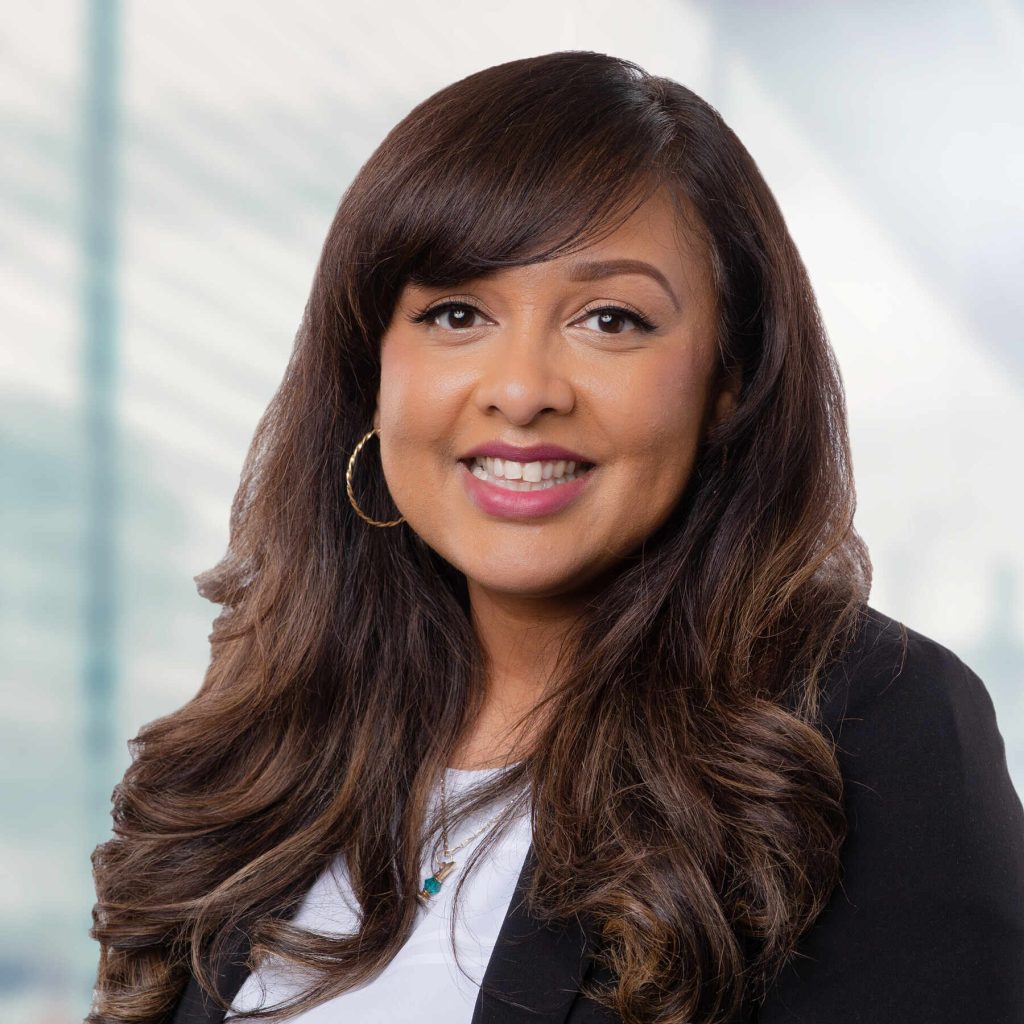
Chavon Niles
Dr. Chavon Niles is a Guyanese Canadian researcher, scholar, educator, and advocate dedicated to justice, equity, diversity, and inclusion.
Dr. Niles is an Assistant Professor in the Department of Physical Therapy and is cross appointed to the Rehabilitation Sciences Institute, Temerty Faculty of Medicine, University of Toronto. Her research in critical disability studies, health equity, and systemic change explores the lived experiences of underserved populations, including immigrants with disabilities navigating healthcare systems and individuals living with Long COVID. She also examines systemic oppression and inequities in access to care, the use of rehabilitation services in underrepresented countries such as Guyana, and the experiences of caregivers with spinal cord injuries who are also parents.
Grounded in community-engaged approaches, her research and teaching bring together community, public health, and academic partners to understand and address inequities in access to rehabilitation and support across everyday care contexts and during public health emergencies.
Panelists
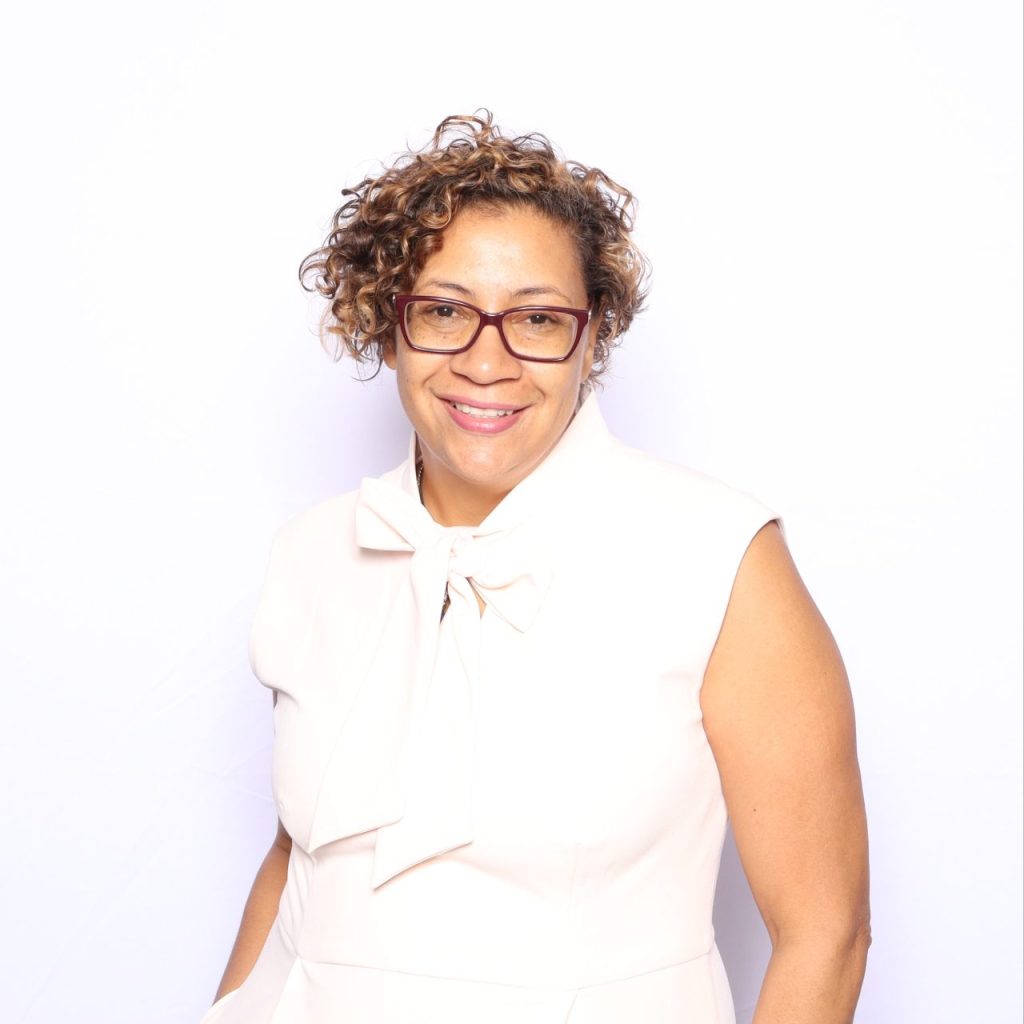
Liza Arnason
Liza Arnason, MA, is the founder and Chair of the Ase Community Foundation for Black Canadians with Disabilities, the only national Black disability-led, focused, and serving charity in Canada. Above all, she is a mom, grandma, and mentor.
Drawing on her lived experience, community research, Black Feminist Disability Thought, disability justice, and critical race theories, Liza is leading Black Disability Justice discussions and the collective development of a framework within the Canadian context. Her work identifies gaps and examines how systemic and structural barriers arising from the intersecting and interlocking experiences of anti-Black racism, gender discrimination and violence, and ableism affect access and inclusion within systems, research, and policy.
Guided by the principle of “for us, by us,” Liza brings 35 years of experience as an educator, administrator, community advocate, and human rights leader. Through collaborative research, critical policy analysis, community roundtables, and United Nations interventions, she works to ensure that Black disabled people with intersecting identities are not only included but meaningfully lead the work—advancing a vision of Black people with disabilities thriving on a path they design.
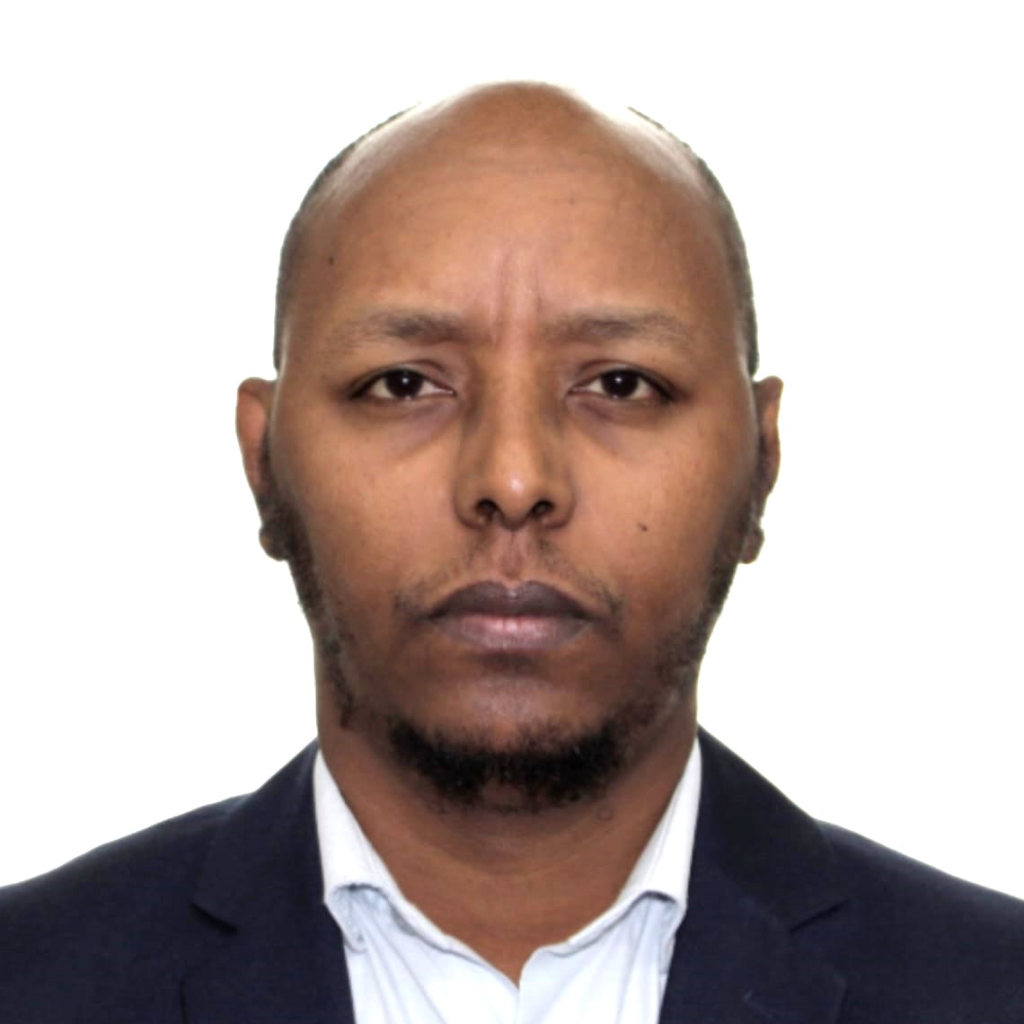
Gemechu A. Abeshu, MA, MPhil, PhD
Gemechu is National Lead, Research at the Ase Community Foundation for Black People with Disabilities and an Adjunct Assistant Professor at McMaster University. A social anthropologist by training, he specializes in refugee and forced migration studies, labour mobility pathways, Black diasporic communities, and immigrant settlement and integration. His research centrally investigates the intersections of disability, racialization, and well-being, with focused expertise on the lived experiences of Black people with disabilities and Black mental health. He holds a PhD in Social Anthropology from the University of Bayreuth, where he was awarded the City of Bayreuth Prize for Best Doctoral Thesis. Dr. Abeshu has secured over $650,000 in research funding from the Social Sciences and Humanities Research Council (SSHRC), the German Research Foundation (DFG), York University, and community partners. A seasoned practitioner of community-based participatory research (CBPR), his work bridges qualitative, community-driven methodologies with rigorous, policy-relevant analysis. He has authored peer-reviewed journal articles, book chapters, monographs, and policy reports, and has taught undergraduate courses in sociology, migration, anthropology, and research methods. Dr. Abeshu also contributes to academic service as a peer reviewer, editor, advisory board member, and co-founder of scholarly networks focused on forced displacement and diaspora studies.
De-Lawrence Lamptey
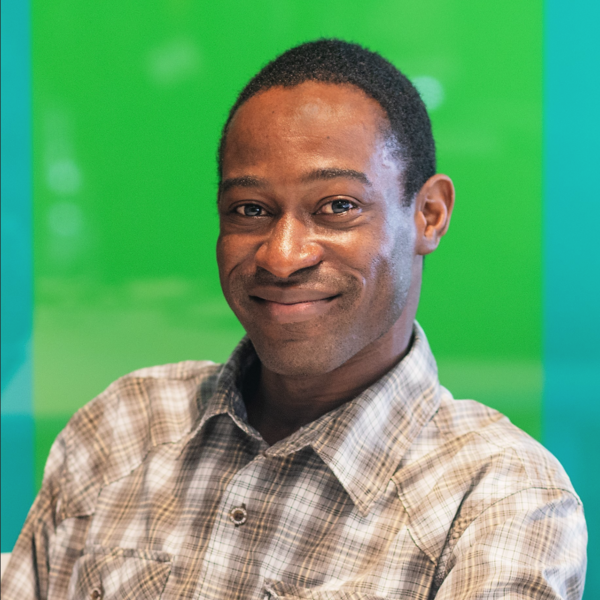
As the Bloorview Research Institute’s inaugural EMBARK Scientist, Dr. De-Lawrence Lamptey’s research focuses on the intersection of childhood disability and racial identity and ethnicity across Canada. His work seeks to better understand the unique experiences of racialized and ethnically diverse children and youth with disabilities and their families.
Dr. Lamptey is also establishing the Race/Ethnicity And Disability (READ) Research Lab, which will bring together researchers, students, families, community partners, policymakers, and other key stakeholders. The lab will advance research that informs policies and programs supporting racialized and ethnically diverse children and youth with disabilities and their families.
The EMBARK program—the first of its kind in Canada—fills a crucial gap by amplifying diverse Black voices in childhood disability research and addressing the barriers Black scholars face in pursuing successful academic careers.